










Choose options
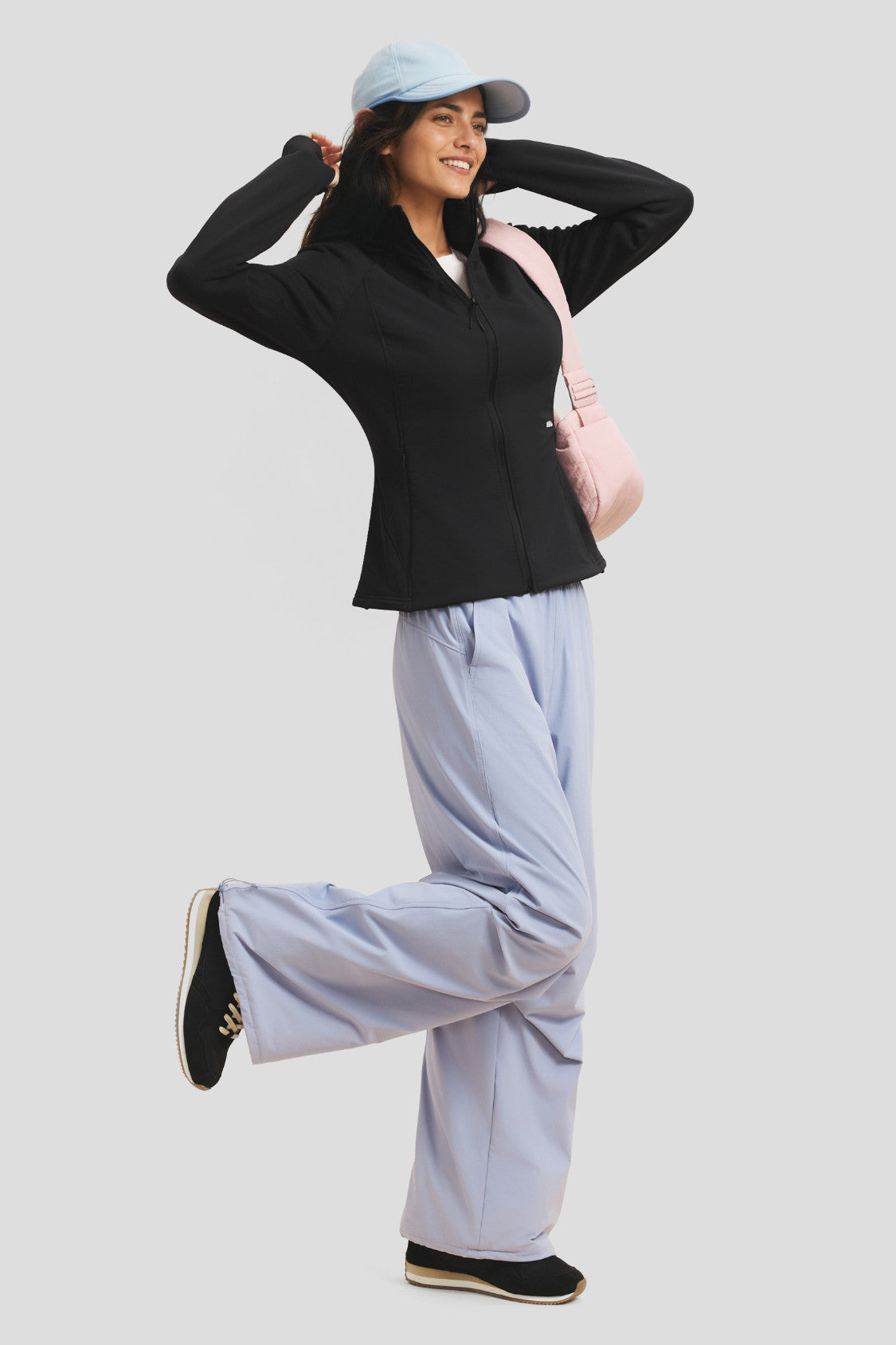
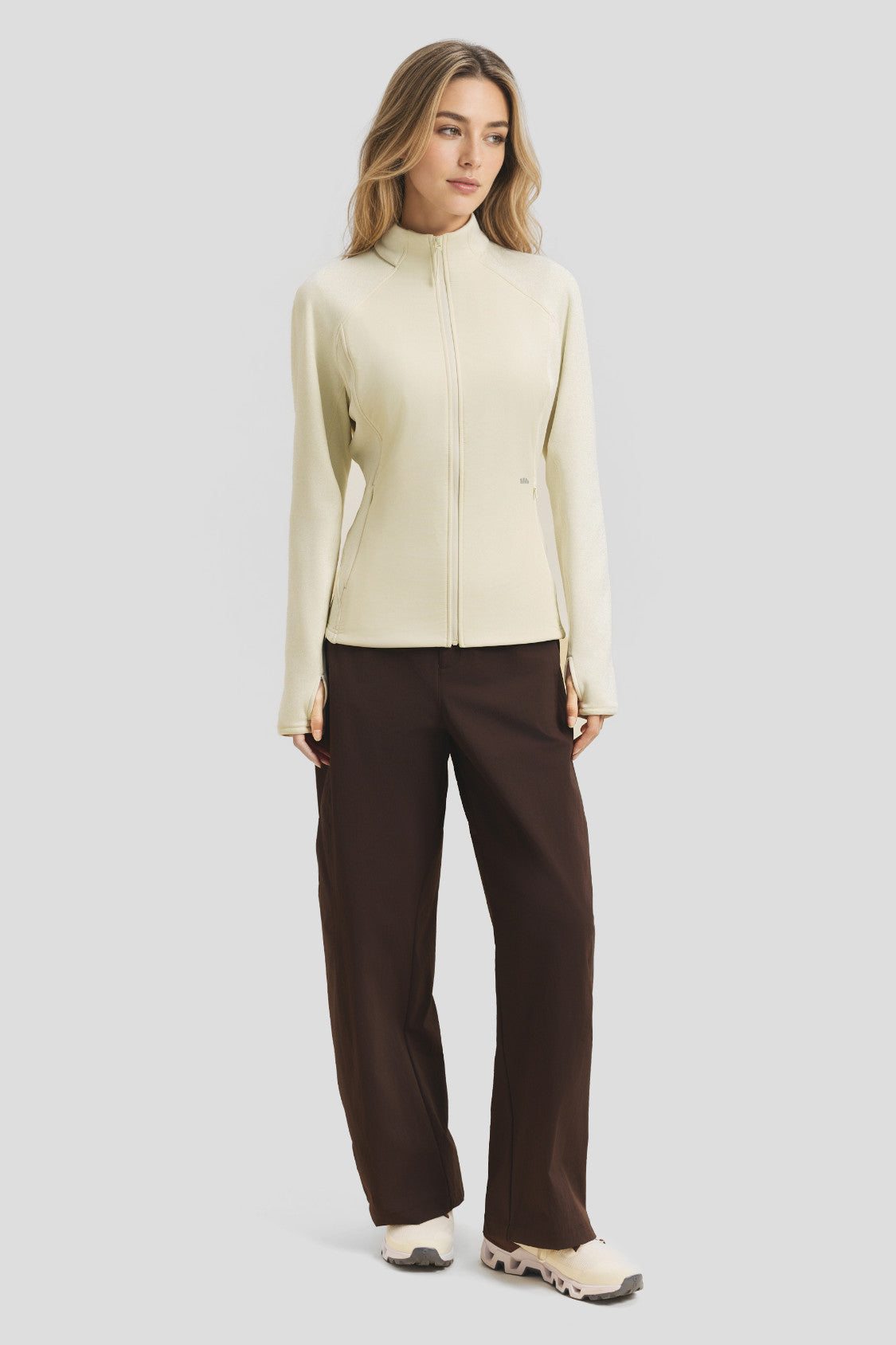
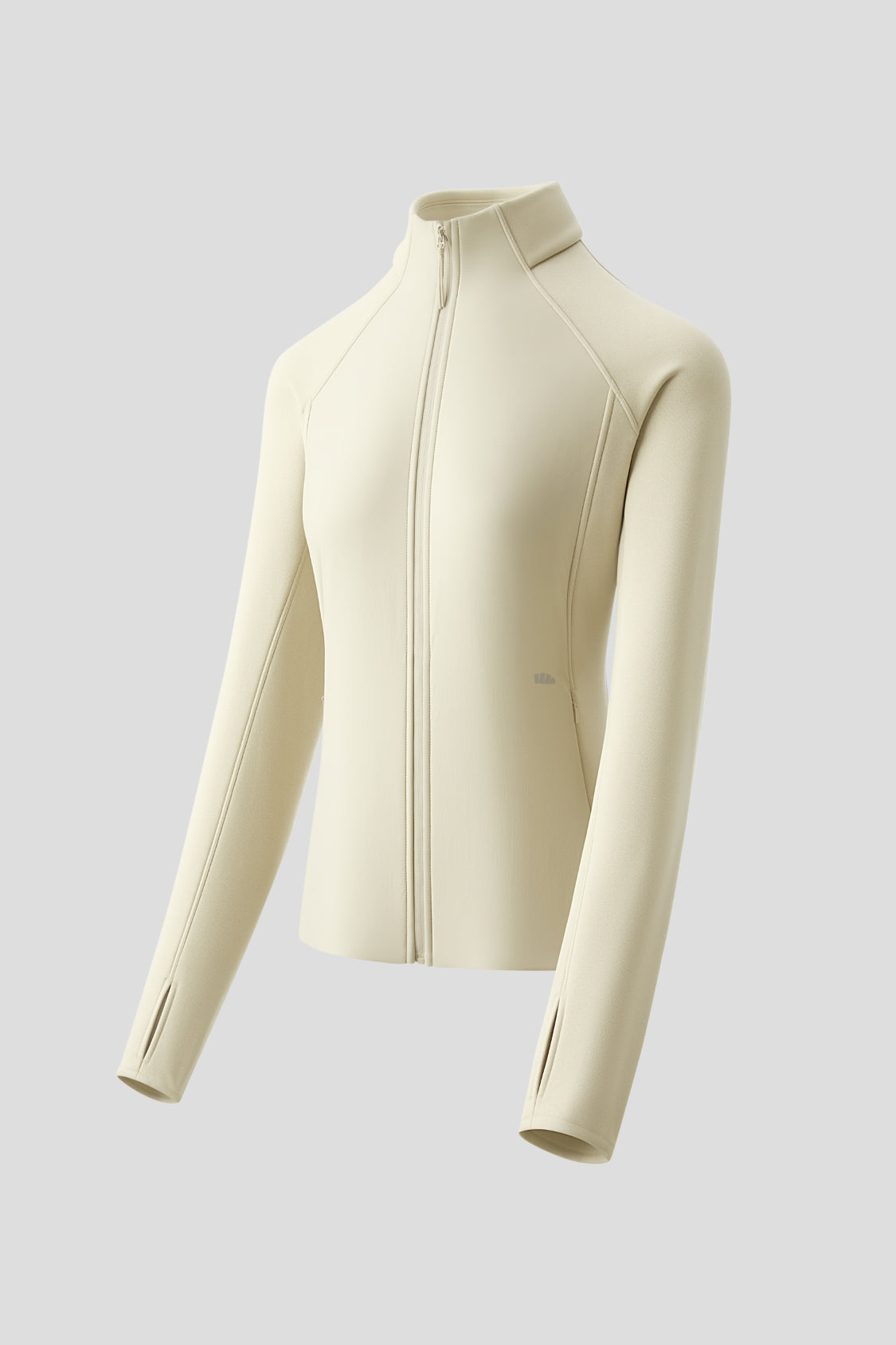
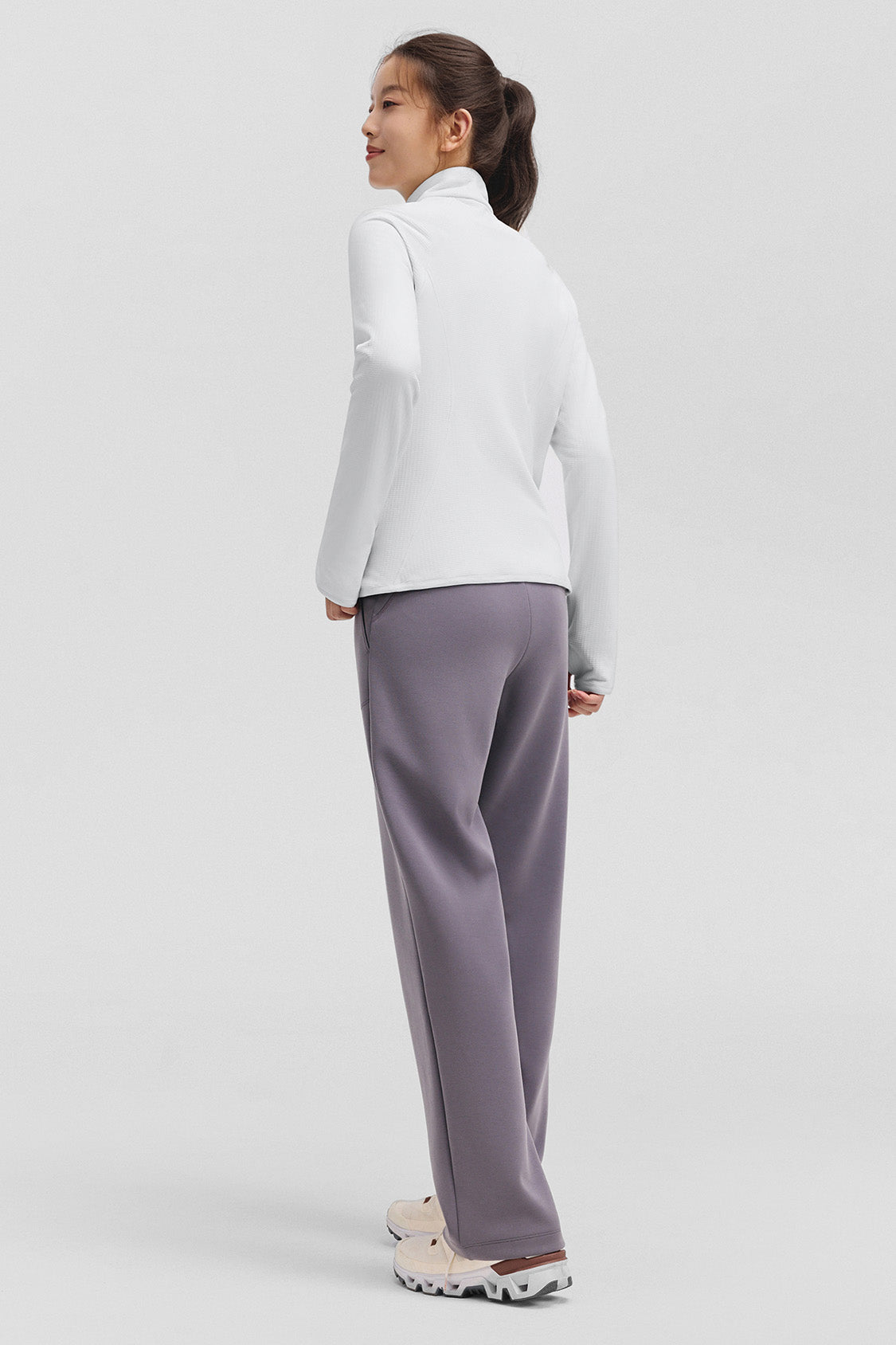
Zoned Wind Protection with Double-Layer Heat Retention. This Medium-Warm Fleece Jacket Combines Wind Protection at the Core with Soft Inner Warmth. Wear It Alone for Protection or Layer It for Greater Warmth from 5°C to 15°C, Bringing More Ease to Fall and Winter Outdoor Activities.
Fabric & lining: 93% Polyester, 7% Spandex – soft, flexible, and wind-resistant, providing warmth and comfort with easy movement.
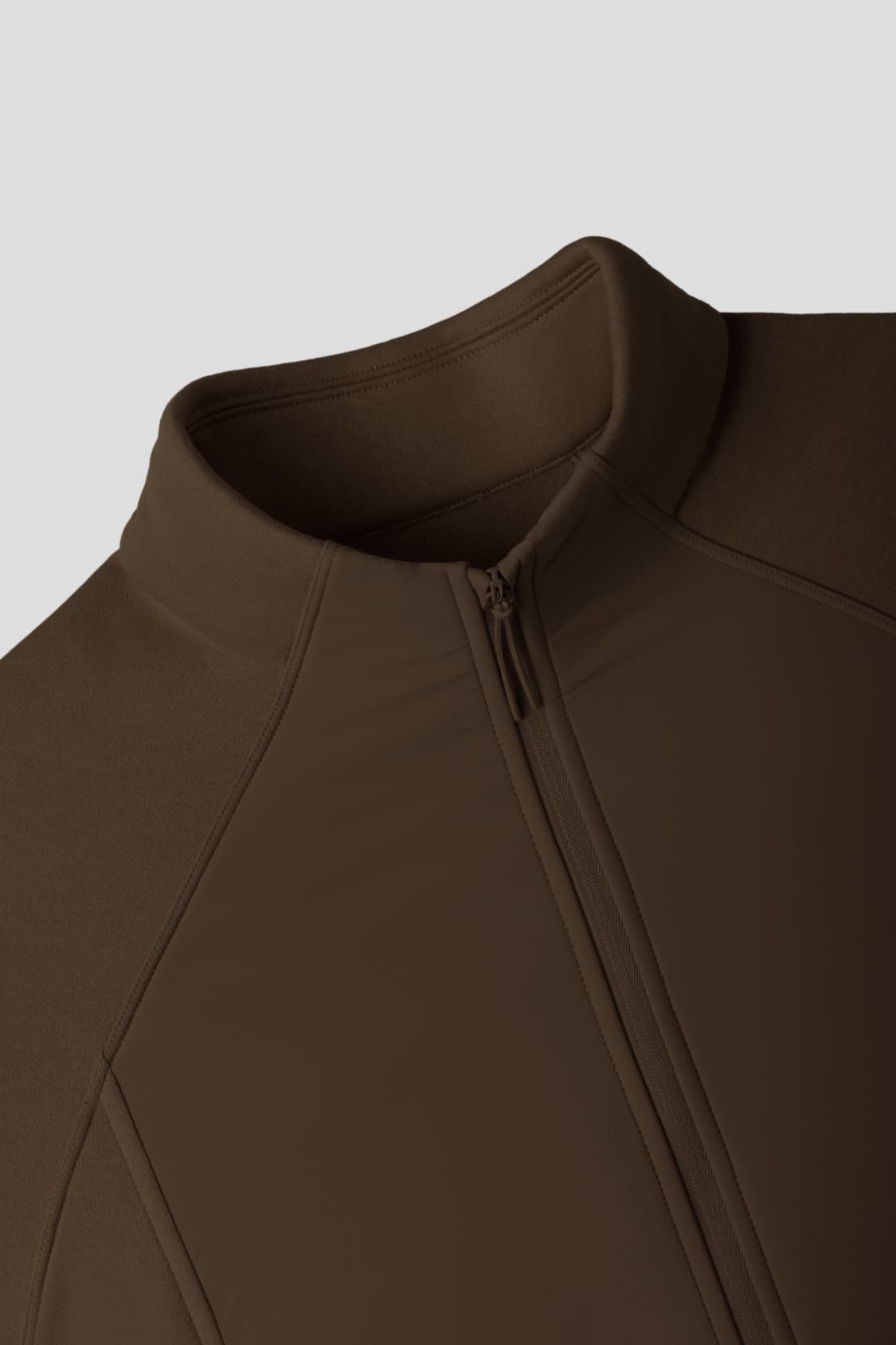
Front panel contrast fabric: 89% Nylon, 11% Spandex – smooth, durable, and protective against light wind and chill.
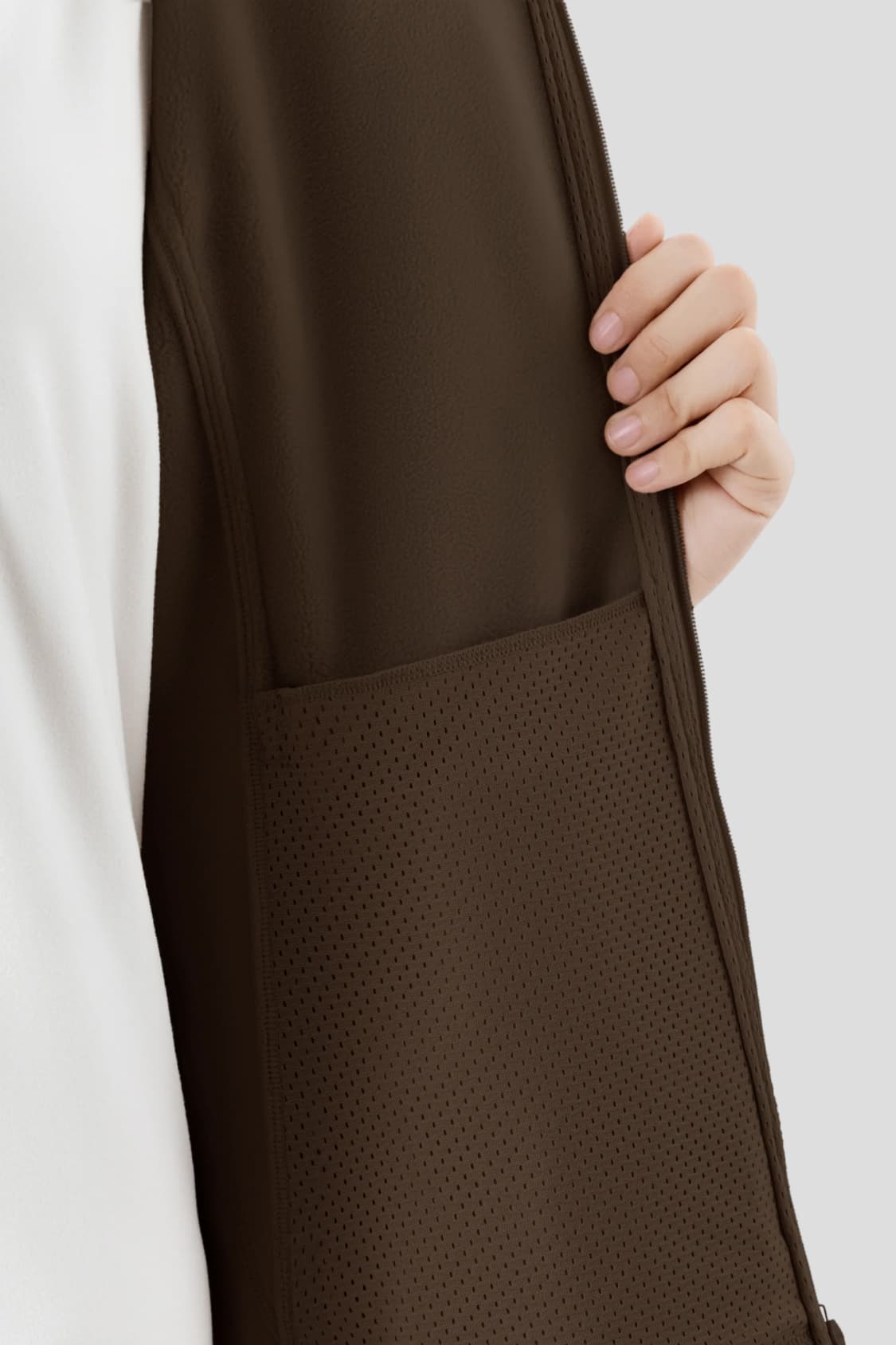
Pocket lining: 100% Polyester – breathable, quick-drying, and easy-care for daily wear.
• Free Shipping on all orders.
• 30-day Return: Feel free to send your item back within 30 days of receiving the product.
You can review our shipping and returns policy here.
Recommended range: 5–15°C / 41–59°F
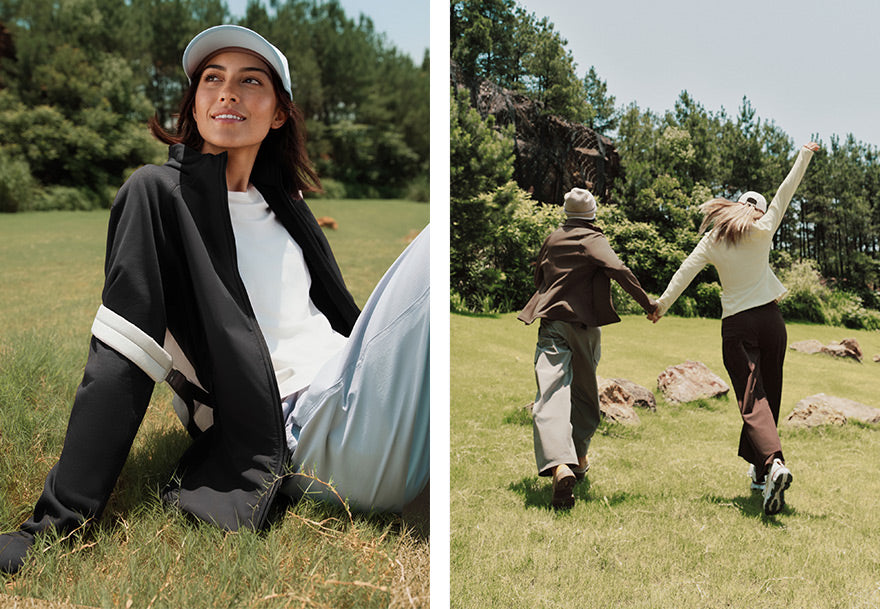
Hiking / City Commute / Travel / Casual

Zoned Design for More Targeted Protection
Designed around real fall and winter outdoor needs, strategic zoning creates a more nuanced balance of warmth, wind resistance, and freedom of movement. In windy conditions, the body needs reassuring coverage; when lifting the arms, walking, or moving often, it also needs enough room to feel unrestricted. Bringing these different needs into one jacket makes every wear better suited to the pace of the journey.
Wind-Resistant Alone, Warmer Under Layers
Wear it directly for light warmth and protection on daily commutes. For hiking, camping, or travel, add a shell to increase overall warmth. One fleece jacket stays in frequent rotation across different temperatures and itineraries.

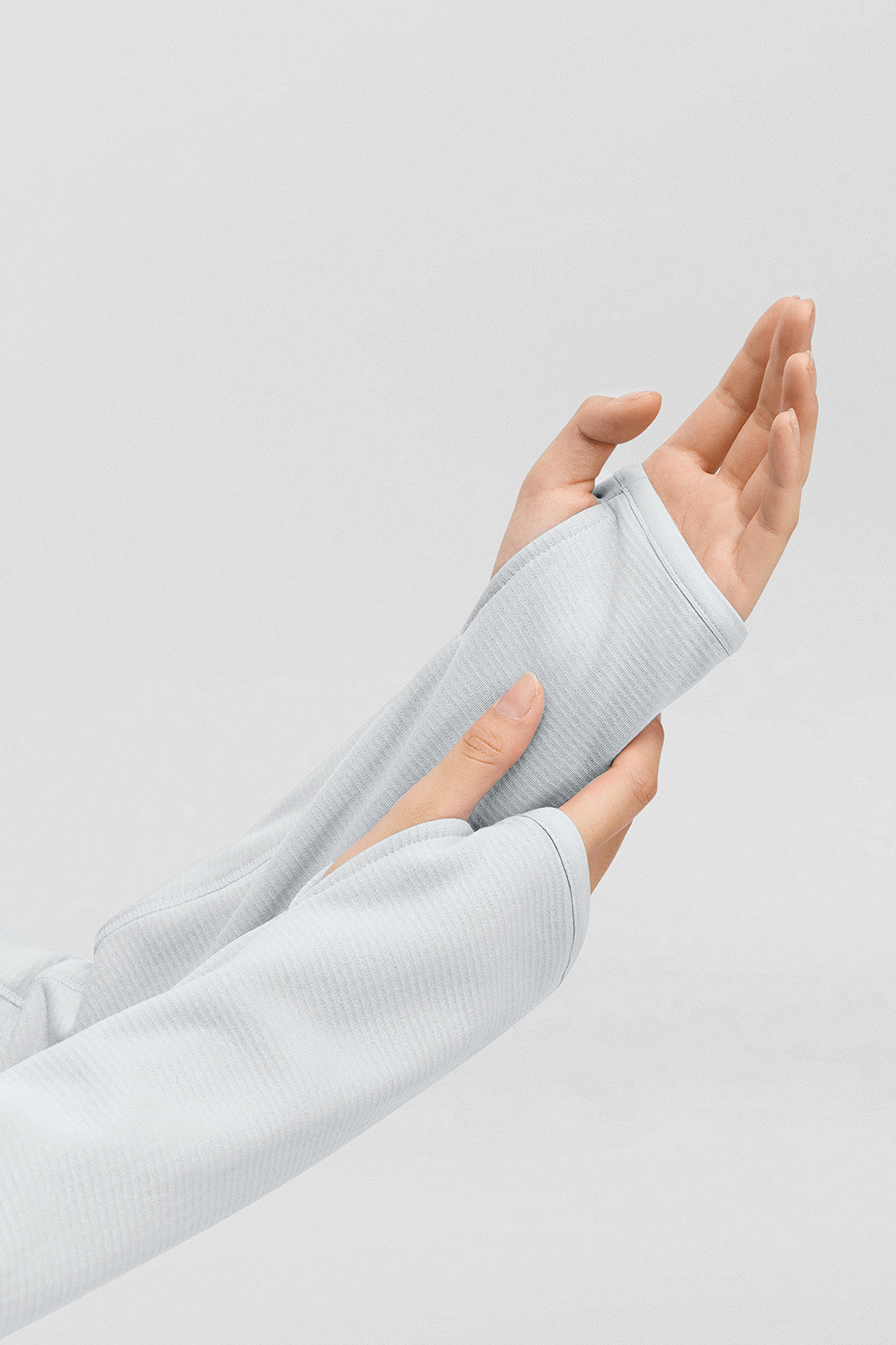
Soft Inner Warmth with Greater Wind Resistance at the Core
Dual-Cycle knit lining provides a softer, warm feel next to the skin, while Wind-Go fleece at the core strengthens heat retention and wind resistance. The page states a Grade 4-5 water-repellency rating and a wind-resistance value of 63.7 mm/s at the core, providing targeted protection where wind is felt most.

Wind Protection at the Core, Greater Freedom in Active Areas
Zoned construction places more protective material around the body's core while preserving flexibility elsewhere. Compared with using a single structure throughout, it balances wind resistance, warmth, and movement more effectively, reducing the need for heavy layers outdoors in fall and winter.